Our initiatives / endeavors
Satisfy your passion for fashion without contributing to landfills
The fast-fashion industry is harmful.. but even the culture of thrifting can contribute to pollution and waste...
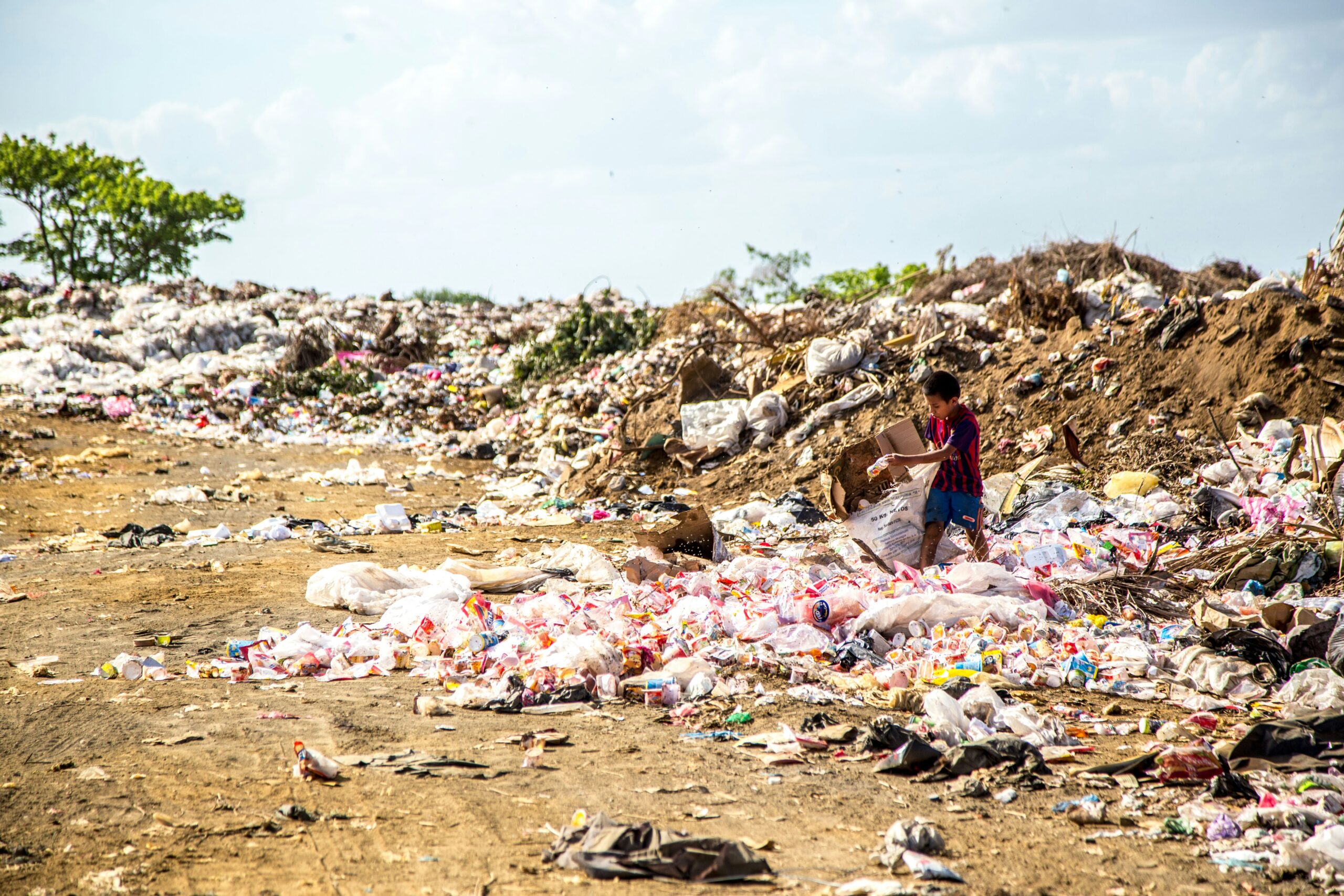
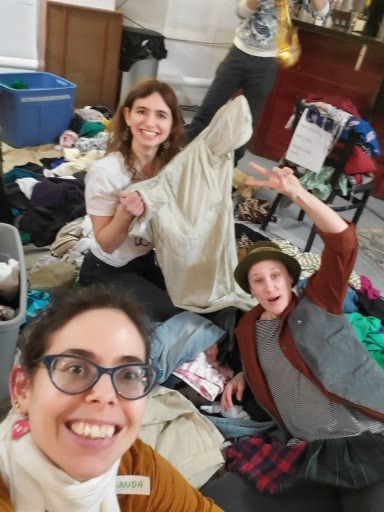
Textile Waste
The global fashion and textile industry produces an estimated 92 million tons of textile waste annually. That's about the same weight as 13 million adult elephants! This number alone should give urgency to the cause of reducing it and finding solutions that are based on the motivation of community and eagerness to give the catchy reduce, reuse recycle a more potent meaning. Upcycling is a healthy trend that has been crossing boarders everywhere
Enter your text here...
Strengthening Community
After the Pandemic, we all found personal holes in our social, family and work lives that made it scary and intimidating to share and be authentic with each other. It is time to fill those holes in again. With the collective understanding of the gaps in our society, it is imperative that we focus on creating safe, caring and embracive spaces and events. If we cycle our wisdom, knowledge and gifts, we can make a fortifying impact in our communities. I propose we add frills to the follies, dye the stains of disdain so we can soften the edges of community with compassion again.
Thinking 7 Generations Ahead
In a finite planet of resources in which is becoming increasingly at risk in more reasons than this one, I feel as though it is our duty to do things differently. We may not be able to convince the current operations to change, but we can build a new and better strategy with the wisdom of the ancestors of turtle island. If we can recognize with which way we makes choices, how we behave and learn from our mistakes, we can leave a better future for those who come into this realm after us. Sustainability sounds like a feat but with simple steps towards how we treat each other, and our environment we will take leaps of positive impacts for future generations.
Exploitative For-profit Thrift
Several second hand stores exist for the profit of a company or corporation but it is less common to find such a space where it is benefiting the surrounding community in a wholesome and authentic way. Places like those take free items and often price them at unreasonable prices. Their strategy for items they have not sold or are ripped/ torn items that get donated, is to dispose them in the dump, local landfill, OR sell large bags to poorer countries like those in Central America! Their focus is not on reducing textile waste or repairing these items that could easily be circulated again for those in need.
Unfortunately our culture was lead to believe that economy comes first and materialism was pushed as the solution. Which has concluded in the mentality that when something is broken or ripped, we get rid of it and buy a new one but that is not sustainable for the generations to come!
One of the solutions I propose is community social clothing exchange events, repair workshops, and upcycling sessions within a community setting!
Want to take part? Sing up to our newsletter!
Express yourself without the environmental destruction
Sew Psyched offers new ways to satisfy your passion for fashion, while preventing waste and building community.
UPCYCLING
Taking something that would otherwise go into landfill by giving it some creative love. Think outside the box as they say, take fun scrap textiles, zippers, buttons, or old jewelry and make your pieces original and unique! Embrace the way of the future!
The average person will just throw out a clothing item if they don't see the value in paying money to get it fixed. This is sadly contributing to the fashion industries over all carbon footprint. A vicious cycle of many, that need our participation to continue. The reason for the lack of quality in our clothes these days reflects the very conditions in which they are being produced. Profit over people is grim and shameful. & you may not know but more than half of the big name brands you know are the biggest culprits. Fast fashion like Shein is made by under paid and over tired individuals who are forced to work fast in unhealthy environments. It is a mirror of the value we give these clothes & ripples out to how we treat each other and Mother Earth. By upcycling and or shopping thrift we can turn old into new again, reducing what gets sent to landfill.
Upcycling gives reduce, reuse, recycle a new meaning.
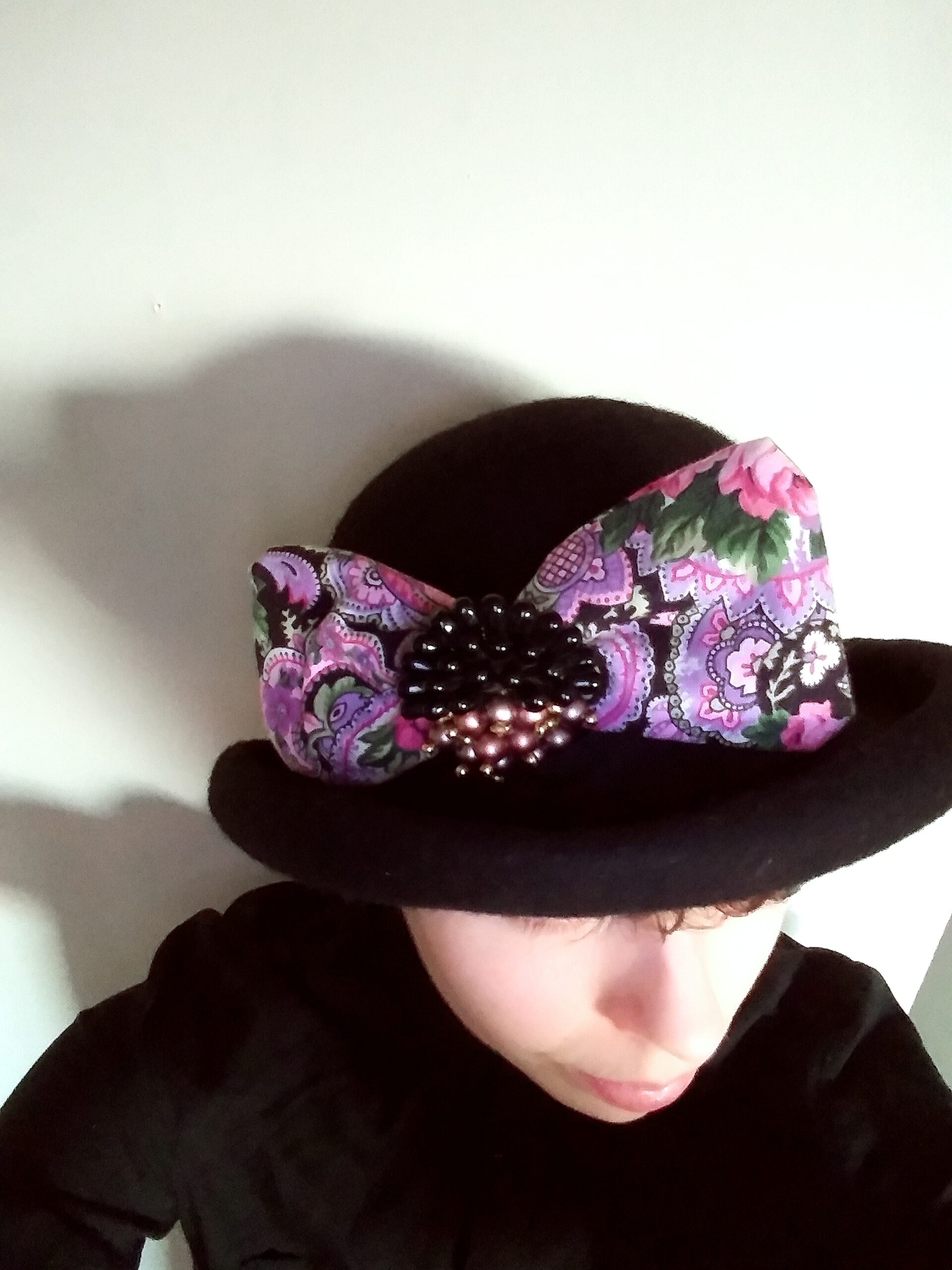
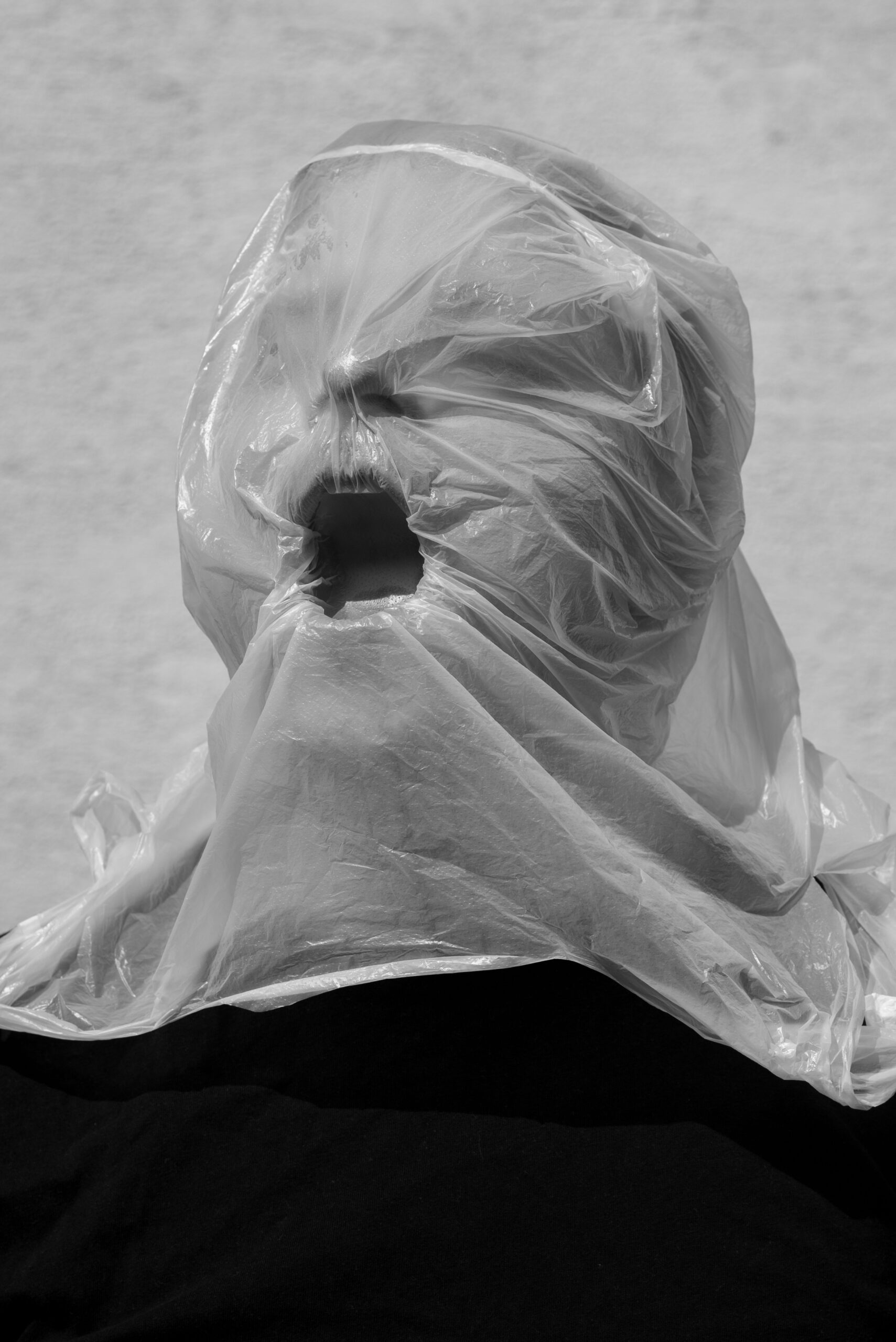
Synthetic Fibres
Studies show that synthetic fibers actually leach micro fibers while in the wash... they go into our water sources, the soil / mother earth beneath our feet and even our skin while we wear them... The push of the industry to make more profit by producing these fibers in modern times effects the impact of the existing carbon footprint by a long shot. Synthetic fibers can take centuries to biodegrade compared to natural fibers like cotton, wool, silk or linen.
I recommend the book Killer Clothes by Anna Maria Clement, PhD, NMD, LN
Brian R. Clement, PhD, NMD, LN